The rundown
Everyone who moves to Montreal gets the same advice within a week: walk up the mountain, you'll feel better. Nobody mentions that the mountain is just the beginning. The real trick of this city is that it sits inside a ring of quieter, older, wilder ground, an hour out in any direction, and most people who live here for years never leave the Kondiaronk lookout to go find it. Here's where to actually go.
Mount Royal Park
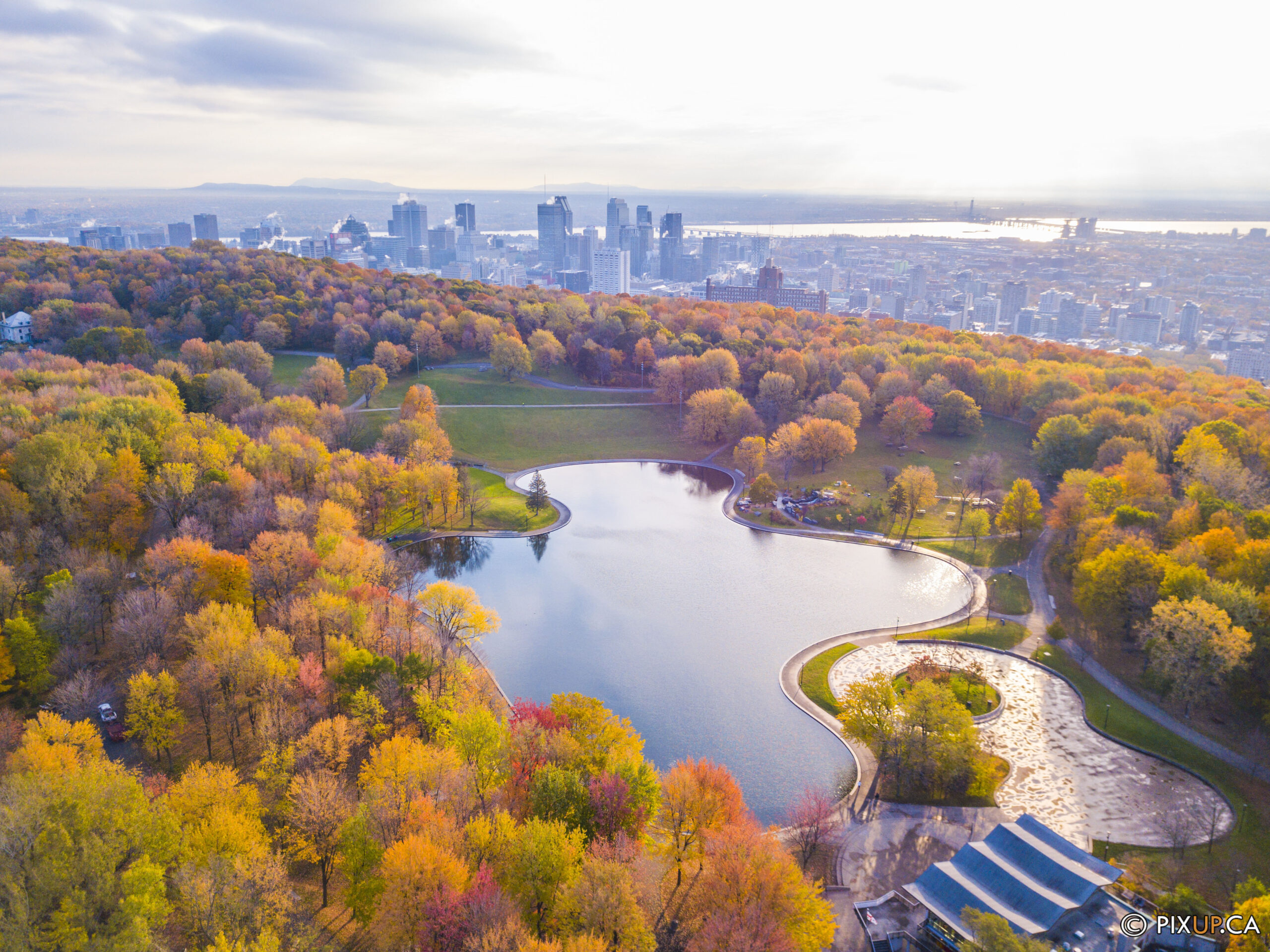
Start where everyone starts, because the crowd exists for a reason. Enter from the stairs off Peel and Pine, or drive up to the Chalet du Mont-Royal on Voie Camillien-Houde if you want to skip the climb and just walk the summit loops. The trails braid through Frederick Law Olmsted's original 1876 design, the same guy who did Central Park, and it shows in how the paths curve to hide the city and then reveal it again at exactly the right moment. Skip the paved main drag on a Sunday afternoon and take the unmarked dirt cut-throughs on the mountain's north face instead, the ones that dump you out near Beaver Lake with nobody else around.
What we're doing: Sunrise loop, Peel stairs up, the wooded switchbacks down past the old quarry cliffs on the east side, coffee at the bottom before the tour buses show up.
Île-de-la-Visitation Nature Park
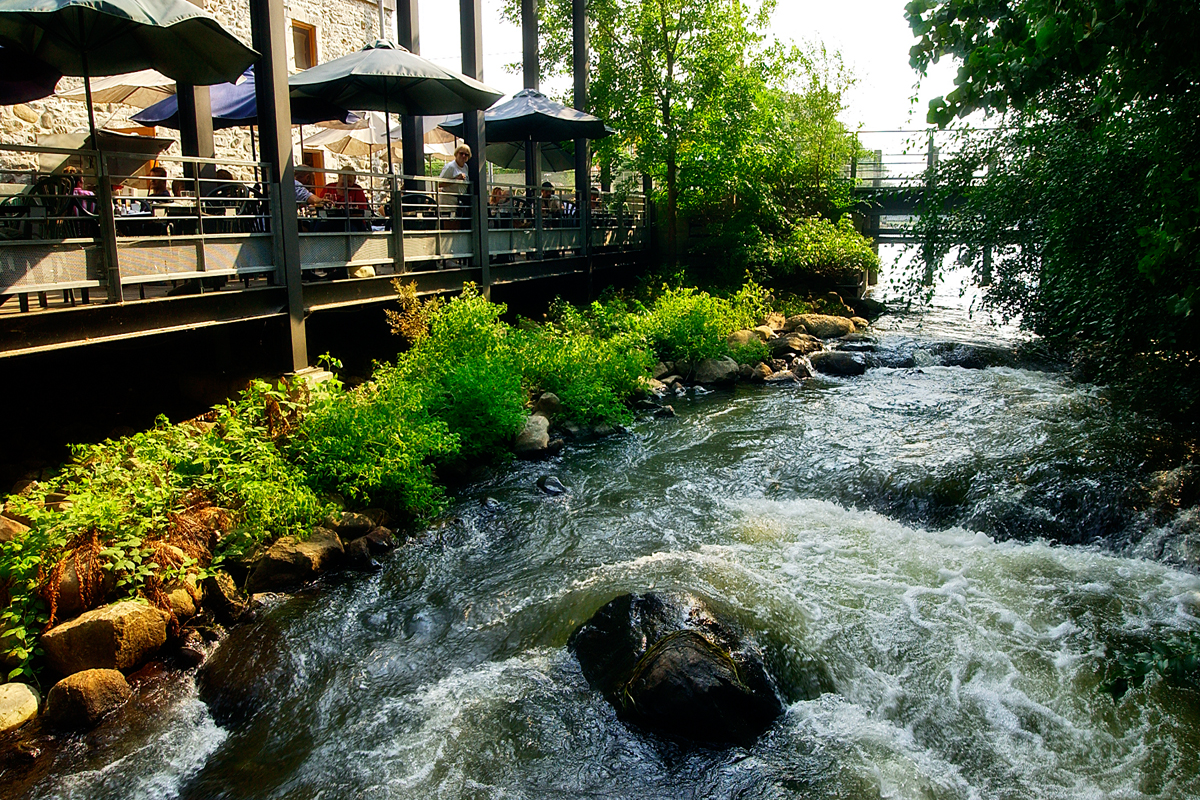
2425 Boulevard Gouin Est, Ahuntsic. Most of the island's east-end hiking gets ignored because it doesn't have a cross on top of it, which is exactly the point. This park runs along the Rivière des Prairies and still has the old mill and dam from the 1700s standing in the middle of it, stone walls half-swallowed by the current. The trail is flat, easy, and genuinely quiet on a weekday, herons standing still in the shallows like they're posing.
What we're doing/ordering: The riverside loop past the Maison du Meunier, then across the footbridge to the little island in the middle for the view back at the rapids.
Mont-Saint-Bruno National Park
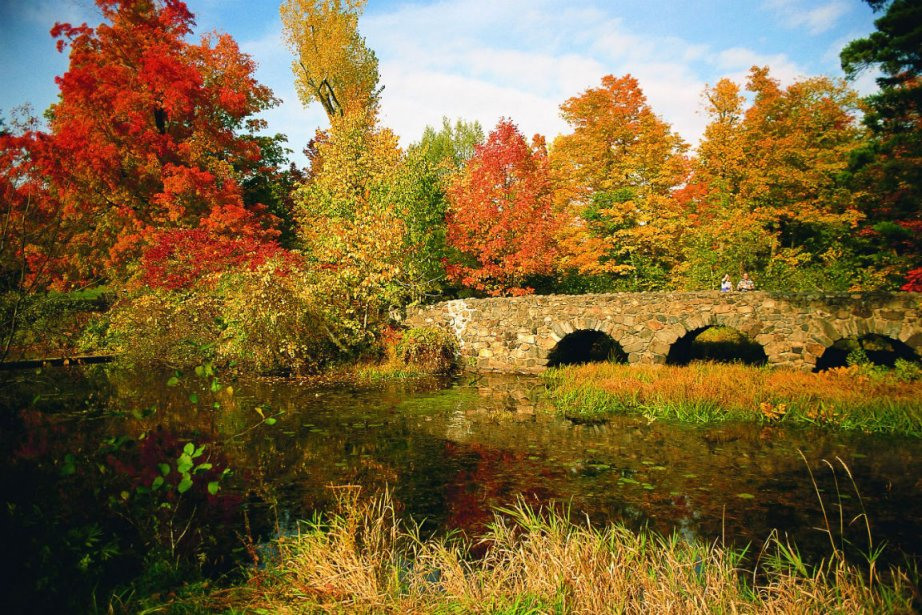
330 Chemin des 25 Est, Saint-Bruno-de-Montarville, about 25 minutes from downtown. This is the park locals actually use for a real hike without burning a whole day driving. Five lakes strung together, an old orchard, a working historic mill, and trail difficulty that ranges from a stroller-friendly loop to a legitimately steep climb up to the summit lookout. SEPAQ day-use fee applies. Bring cash for the parking gate in shoulder season when the machines act up.
What we're doing/ordering: The Grand Étang loop first for the lake views, then the summit trail if legs allow, apple picking at the orchard on the way out in September.
Mont-Saint-Hilaire / Gault Nature Reserve
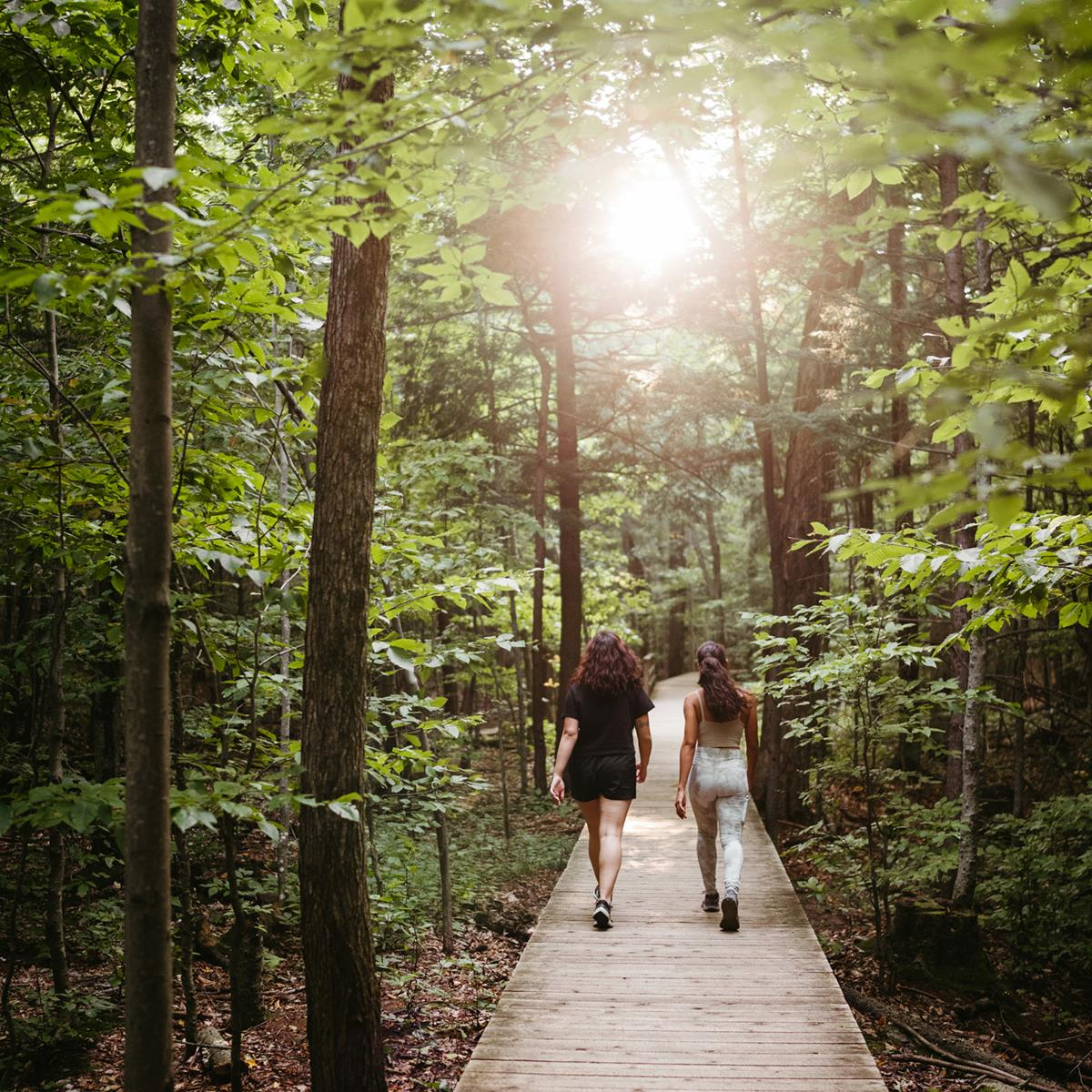
422 Chemin des Moulins, Mont-Saint-Hilaire, 40 minutes east. Owned and managed by McGill University as a research reserve, which means the trail count is capped and the woods feel less trampled than anywhere else on this list. It's a UNESCO Biosphere Reserve with over 600 plant species and enough peregrine falcon sightings that birders show up with actual gear. The Dieppe summit trail starts gentle and turns into a real scramble near the top, rewarded with a lake view that makes the switchbacks worth it.
What we're doing/ordering: Weekday morning, Dieppe summit trail, packed lunch at Lac Hertel halfway up instead of at the top where everyone else stops.
Parc Frédéric-Back
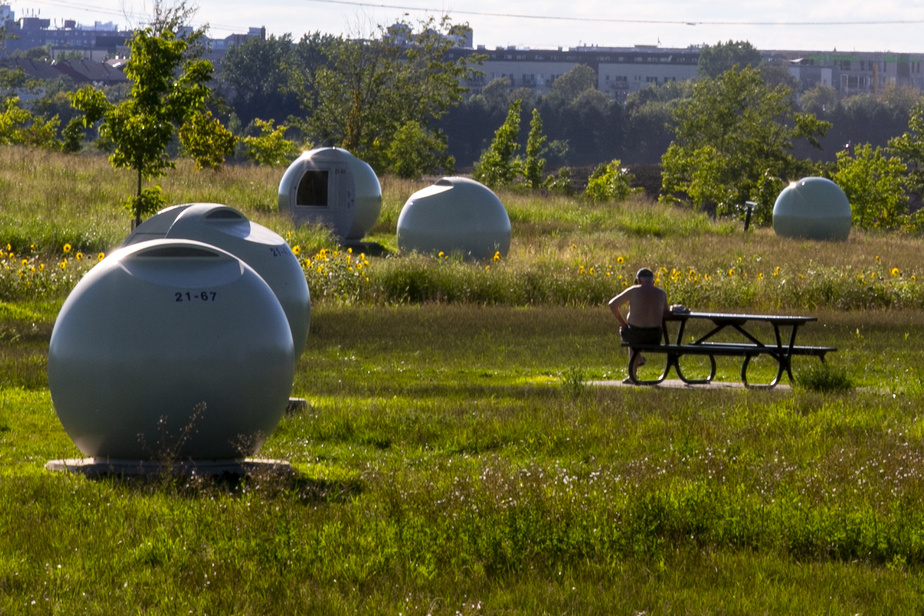
Off Boulevard Crémazie Est, straddling Saint-Michel. This one's for people who think hiking requires leaving the city and are wrong. Built on top of the old Miron quarry and landfill, one of the largest urban land reclamation projects in North America, it's still visibly a former industrial wound that's been let heal. The methane collection towers are still there, repurposed into the park's design instead of hidden. Walking it feels less like nature and more like watching a scar turn into a park in real time, which is its own kind of interesting.
What we're doing/ordering: The 5.8-kilometre full loop at golden hour, when the old quarry cliffs on the north edge catch the light and the whole thing looks staged even though nothing here is.
The Pattern
None of these five are actually about getting away from Montreal. Mount Royal, the Miron quarry turned park, the reserve a university still uses for research, the old mill towns swallowed by suburb: every one of them is what happens when the city runs out of room and decides to keep the mess instead of erasing it. Other places build hiking trails around scenery. Montreal builds them around whatever the city was done using, and calls that scenery too.